Grok AI Gets Federal Green Light: How Elon Musk Is Winning Over the U.S. Government
In a landmark decision, the administration has cleared Musk’s chatbot for use across federal agencies, signaling a major shift in the nation’s tech policy.
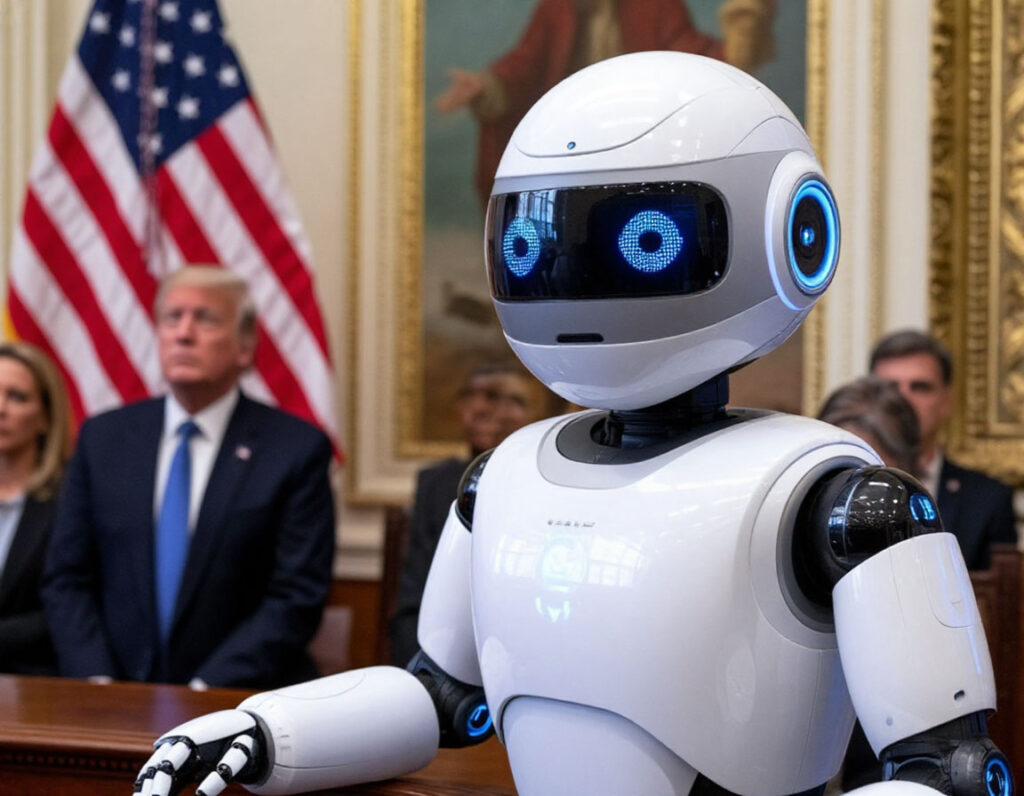
In a landmark decision that could redefine the future of artificial intelligence within the public sector, the U.S. government has officially approved the use of Elon Musk’s Grok AI from xAI across all federal agencies. The move, confirmed on September 25, 2025, marks a significant breakthrough for the company and poses a direct challenge to the dominance of other tech giants in this tightly controlled market.
What Does This Approval Mean in Practice?
Under the new directive, federal agencies are now authorized to integrate Grok into their internal workflows for a wide range of tasks. The chatbot is expected to be deployed for:
- Analyzing legislative documents and regulatory filings to speed up the processing of complex legal texts.
- Conducting internal research and drafting reports to assist employees in synthesizing vast amounts of information.
- Optimizing workflows and automating routine administrative inquiries to boost operational efficiency.
- Enhancing public services through the development of more responsive and intelligent chatbots on government websites.
This decision follows a rigorous validation process where Grok reportedly demonstrated the required levels of security, reliability, and compliance with strict federal standards.
The Political Context: Musk and Trump’s Strategic Discussion
This pivotal approval comes amid reports of a significant conversation between Elon Musk and former President Donald Trump, which sources say heavily featured the Grok AI chatbot. The dialogue is understood to have covered key issues of technology policy and the potential application of advanced AI in political campaigning and strategic communication.
Insiders suggest the discussion between Musk and Trump focused on:
- Grok’s potential for analyzing public sentiment and the media landscape.
- The technology’s capabilities in crafting political messaging and responding to real-time events.
- The broader regulatory landscape for artificial intelligence and approaches to governing its development.
A Strategic Victory for xAI
Securing access to government institutions represents more than just a commercial win for xAI; it is a major strategic coup.
- Trust and Legitimacy: For Musk’s technology, this serves as the highest form of audit, significantly boosting Grok’s credibility with corporate clients and international partners.
- Challenging the Giants: xAI has successfully shaken up a market traditionally dominated by players like OpenAI, Microsoft, and Google, advocating for its principles of openness and competition.
- Influence on Future Regulation: With a “beachhead” inside the system, xAI is now positioned to directly influence the development of future standards and policies for governmental AI use.
Why Did the Government Make This Move?
Analysts see this as a pragmatic decision by the administration, which recognizes the immense potential of AI to optimize government functions and reduce costs. The choice of Grok is believed to be linked to xAI’s stated commitment to transparency and its unique, “rebellious” approach to problem-solving, which could offer novel solutions to complex governmental challenges.
“This is an unprecedented case of a relatively young company gaining such broad access,” commented technology analyst Maria Semenova. “It signals to the entire market that the government is willing to experiment and trust new players if their technology proves robust. For xAI, this is a ticket to the major leagues.”
What’s Next for Grok in Government Halls?
The primary challenge for xAI now is the successful execution of this project. The company must ensure seamless scaling, uninterrupted technical support, and, most critically, absolute cybersecurity and data privacy. The success or failure of this initiative could serve as a model for the deployment of advanced AI in government structures worldwide.
The U.S. government’s approval of Grok is more than just a contract—it is a turning point that officially opens a new chapter in the relationship between artificial intelligence and state power.